
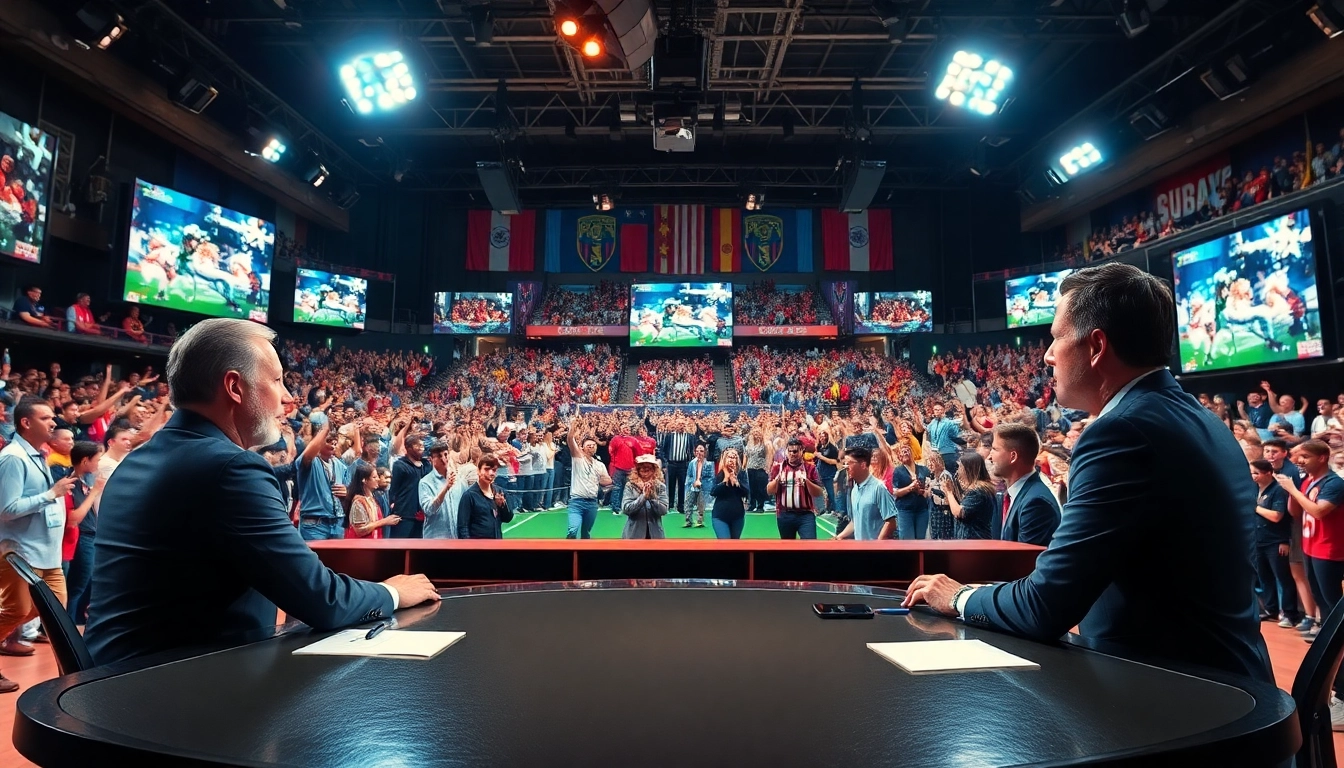
Understanding Sports Broadcasting
Defining Sports Broadcasting
Sports Broadcasting is the transmission of sports events via various media channels, including television, radio, and online platforms. It serves as a vital link between athletes and fans, offering real-time updates, in-depth analysis, and comprehensive coverage of sporting events. Through live coverage and highlights, fans gain insight into various sports, making them feel more connected to their favorite teams and players. This dynamic medium not only entertains but also informs audiences, allowing them to engage with the sporting world. With the advent of modern technology, Sports Broadcasting has evolved to encompass streaming services and social media platforms, transforming how we consume sports content.
The Evolution of Sports Broadcasting
Since its inception in the early 20th century, Sports Broadcasting has undergone significant changes. Initially, radio was the primary medium, with play-by-play commentators bringing live action to fans‘ homes. The first televised sports event, a college baseball game in 1939, marked a milestone, paving the way for the future of TV sports. The introduction of color television in the 1960s further enhanced viewer experience, while satellite and cable TV revolutionized accessibility to live sports worldwide.
In the 21st century, the rise of the internet and mobile technology has led to streaming services like ESPN+ and DAZN, allowing fans to access content anytime and anywhere. Furthermore, social media has changed the landscape, enabling real-time interaction between viewers and broadcasters. This evolution reflects a broader trend towards personalized, on-demand content consumption, redefining what it means to engage with sports.
Importance in Modern Media
Sports Broadcasting plays a crucial role in modern media, acting as a significant revenue stream for networks and sporting organizations alike. It helps build brand loyalty and maintain fan engagement through compelling storytelling, highlights, and analysis. Moreover, it provides a platform for athletes to showcase their talents, impacting their marketability and public image.
In addition, the integration of advanced technologies like augmented reality (AR) and virtual reality (VR) enhances audience experience by providing immersive views of games. As media landscapes continue to evolve, Sports Broadcasting remains integral to both media strategy and audience engagement.
Key Components of Sports Broadcasting
Essential Equipment for Sports Broadcasting
Successful Sports Broadcasting hinges on the utilization of cutting-edge equipment. Essential tools include high-definition cameras that provide clear coverage of fast-paced action, and robust microphones that capture ambient sounds and commentary accurately. Additionally, video switchers and graphics systems allow broadcasters to present statistics, scores, and player information in real-time, enhancing viewer knowledge and experience.
Furthermore, wireless transmission technology is vital for capturing images from multiple angles, providing a comprehensive view of events. The integration of drones has also become popular, giving broadcasters unique perspectives that enhance storytelling and engagement.
Roles and Responsibilities in the Studio
Behind the camera, a variety of professionals contribute to the success of Sports Broadcasting. Producers oversee the production flow, ensuring that segments run smoothly and timing is adhered to. Directors are responsible for overseeing camera angles, shots, and graphics during live broadcasts, making quick decisions that impact the viewer’s experience.
In addition to production staff, on-air talent such as commentators and analysts deliver insights and narratives that engage audiences. Their roles require a deep understanding of the sport and the ability to communicate effectively while maintaining an energetic presence.
The Importance of Commentary
Commentary in Sports Broadcasting serves as the backbone of audience engagement. Skilled commentators provide not only play-by-play descriptions of the action but also context, insights, and analysis that enhance understanding. Their ability to articulate the nuances of a game can turn an ordinary viewing experience into a compelling narrative.
Effective commentary involves more than speaking; it requires teamwork, as commentators often work alongside analysts to deliver comprehensive coverage. The synergy between these roles enriches the audience’s knowledge, making the event more memorable and enjoyable.
Creating Compelling Content
Scriptwriting Techniques for Broadcasters
Strong scriptwriting is a crucial aspect of effective Sports Broadcasting. A well-crafted script outlines not only the key points and statistics but also establishes the tone of the broadcast. Techniques such as storytelling, pacing, and the use of vivid language can captivate audiences.
Effective sports scripts often incorporate anecdotes, player interviews, and historical references that can resonate with viewers. Additionally, structuring content to highlight key moments and allowing for spontaneous commentary during exciting plays keep the broadcast engaging and dynamic.
Using Visuals Effectively in Sports Broadcasting
Visual elements play a fundamental role in Sports Broadcasting. The use of graphics, slow-motion replays, and player statistics can significantly enhance viewer comprehension and enjoyment. Utilizing visuals strategically can help emphasize critical moments and provide insights that enhance the narrative being presented.
Moreover, innovative uses of technology, such as real-time graphics that display player movement, can further enrich the spectator experience, allowing fans to connect with the game on a deeper level.
Engaging with the Audience
Modern Sports Broadcasting places a strong emphasis on audience engagement. Broadcasters utilize social media platforms to connect with fans, allowing for real-time interaction through comments and live chats during events. This two-way communication cultivates a community feel and encourages viewer loyalty.
Hosting fan polls, Q&A sessions, or integrating user-generated content can significantly enhance engagement, allowing audiences to feel like an integral part of the event. Broadcasters must continually adapt their strategies to meet the changing demands of viewers.
Challenges in Sports Broadcasting
Technology and Streaming Issues
Despite technological advancements, Sports Broadcasting faces challenges, particularly regarding technology and streaming reliability. Issues such as bandwidth limitations, buffering, and broadcast delays can frustrate audiences and diminish their experience. Broadcasters must ensure robust infrastructure to deliver seamless streaming capabilities.
Implementing backup systems and conducting thorough testing before live events can mitigate these risks. Regular maintenance and updates to technology are critical to maintaining high performance and ensuring an uninterrupted viewer experience.
Maintaining Compliance with Regulations
Sports Broadcasting is influenced by various regulations, including copyright laws and broadcasting standards. Ensuring compliance with these regulations can be complex, especially when dealing with multiple jurisdictions and platforms. Broadcasters must stay informed of current laws and navigate licensing agreements effectively.
Understanding the nuances of broadcasting rights is critical, as failing to comply can result in significant legal and financial repercussions. Establishing a dedicated team to manage compliance can help broadcasters navigate these challenges effectively.
Adapting to Audience Trends
The preferences of sports audiences are constantly evolving. Adaptation to these trends is vital for successful Sports Broadcasting. For instance, the growth of younger audiences consuming content via mobile devices has prompted broadcasters to adjust their strategies and develop apps catering to this demographic.
Monitoring audience feedback and analytics can provide insight into what content resonates most. By understanding these shifts, broadcasters can remain relevant and appealing to their target demographics.
Future of Sports Broadcasting
Impact of Technology on Sports Broadcasting
Looking ahead, technology will continue to shape the landscape of Sports Broadcasting. Innovations such as artificial intelligence and machine learning are poised to enhance audience experiences by providing personalized content experiences. AI can analyze viewer habits and preferences to tailor broadcasts specifically suited for individual audiences.
Additionally, emerging technologies like 5G networks will facilitate faster streaming and more reliable connections, enhancing the overall viewing experience for audiences.
Emerging Trends in Viewer Engagement
As we progress, viewer engagement strategies will evolve with the introduction of interactive features, such as virtual reality experiences that allow fans to immerse themselves in the event. Interactive broadcasts, where viewers can choose camera angles or access additional data, are becoming increasingly popular.
Furthermore, the trend towards esports and online streaming is likely to grow, creating new opportunities for broadcasters to reach diverse audiences across different platforms.
Predictions for the Next Decade
Over the next decade, Sports Broadcasting will likely continue to evolve, with a focus on personalized content delivery and enhanced viewer experiences. The integration of blockchain technology for secure transactions and fair distribution of broadcasting rights may also transform the industry. As technology develops, broadcasters that adapt and embrace these changes are more likely to succeed.
Furthermore, the interest in global sports offerings will continue to rise, expanding viewership beyond traditional sports markets. Staying attuned to technological advancements and audience preferences will be pivotal in defining the future of Sports Broadcasting.
FAQs
What is Sports Broadcasting?
Sports Broadcasting refers to the transmission of sports events through television, radio, and online platforms, including real-time updates and analyses.
How has technology impacted Sports Broadcasting?
Technology has radically transformed Sports Broadcasting by enhancing viewer engagement with higher-quality visuals, immediate streaming, and interactive features.
Why is commentary important in Sports Broadcasting?
Commentary enriches viewer experience by providing insights, context, and storytelling, making the event more engaging and memorable.
What are the main challenges in Sports Broadcasting?
Challenges include technology reliability, compliance with regulations, and adapting to rapidly changing audience trends.
What does the future hold for Sports Broadcasting?
The future includes advancements in personalized content, greater audience interaction, and innovative technologies such as AI and VR enhancing viewing experiences.